

If you want to improve the appearance of a tooth, or you've been told that you need a dental restoration, you may be wondering whether a veneer or crown is the better option.
Although dental veneers and crowns can both improve the appearance of teeth, they serve different purposes. Veneers are primarily cosmetic restorations designed to change the appearance of otherwise suitable teeth. Crowns are restorative treatments that cover the entire visible portion of a tooth to help protect and strengthen it.
Understanding the difference between veneers and crowns can help you have a more informed conversation with your dentist about your treatment options. At Smiles on Elston in Chicago, Dr. Alin Alkass offers both dental veneers and dental crowns and can recommend a restoration based on the health of your tooth, your bite, your cosmetic goals, and other individual factors.
What Is a Dental Crown?
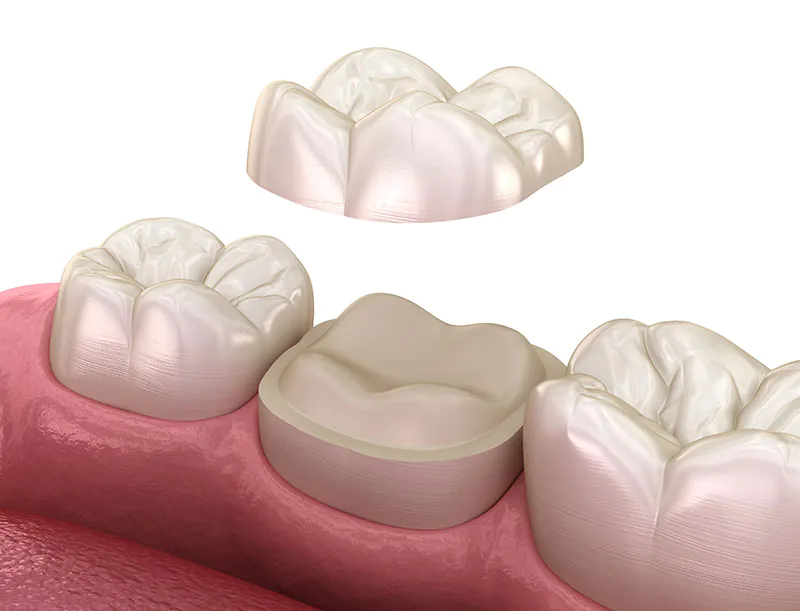
A dental crown is a custom-made restoration that covers the entire visible portion of a tooth.
Crowns are generally used when a tooth has been significantly weakened or damaged and needs additional structural support. They can restore the tooth's shape and function while improving its appearance.
Common reasons Dr. Alkass may recommend a crown include:
- Significant tooth decay
- A cracked or fractured tooth
- A large filling that has weakened the tooth
- Extensive tooth wear
- A tooth that has undergone root canal treatment
- Significant loss of natural tooth structure
- Restoration of a dental implant
Because a crown covers the tooth rather than simply changing its front surface, it can provide protection for teeth that need more than a cosmetic enhancement.
Smiles on Elston offers porcelain, ceramic, and zirconia crown options, with the material selected according to factors such as the tooth's location, functional demands, and aesthetic considerations.
What Is a Dental Veneer?
A dental veneer is a thin, custom-made restoration that is bonded to the front surface of a tooth.
Veneers are primarily used to improve the appearance of teeth. They can address several cosmetic concerns, including:
- Discoloration or staining
- Chipped teeth
- Small gaps
- Misshapen teeth
- Uneven tooth edges
- Certain minor alignment concerns
At Smiles on Elston, veneers are available in porcelain and ceramic materials. The practice uses a personalized smile-design process to evaluate the patient's goals and determine an appropriate treatment plan.
Veneers vs. Crowns: What's the Main Difference?
The easiest way to understand the difference is to consider how much of the tooth each restoration covers and why it is being used.
A veneer covers the front surface of a tooth and is generally used for cosmetic enhancement. A crown covers the entire visible portion of a tooth and is generally used when a tooth needs structural protection and restoration.
When Is a Crown Usually the Better Choice?
A dental crown may be the better choice when the tooth has significant structural damage.
For example, imagine a molar with a large filling and a crack. The tooth may need more protection than a veneer can provide. A crown can cover the tooth and help restore its ability to withstand normal biting forces.
Dental crowns may also be recommended for teeth that have undergone root canal treatment or have lost substantial amounts of tooth structure. In these situations, the primary goal is to restore and protect the tooth—not simply improve its appearance.
When Are Veneers Usually the Better Choice?
Veneers may be a better option when the underlying tooth is relatively healthy, but you want to improve its appearance.
For example, veneers may be considered if you have several healthy front teeth with persistent discoloration, uneven shapes, small gaps, or minor cosmetic imperfections. Because veneers are designed for cosmetic enhancement, your dentist will first need to make sure the teeth and gums are healthy enough for treatment.
Can Veneers Fix Crooked Teeth?
Veneers can sometimes make minor alignment issues appear less noticeable by changing the shape and position of the visible tooth surface. However, veneers don't actually move teeth into new positions.
If your teeth are significantly crowded or your bite needs correction, orthodontic treatment may be more appropriate. Your dentist can determine whether veneers, orthodontics, or another treatment makes sense for your situation.
What Are the Benefits of Dental Veneers?
Veneers can provide several cosmetic advantages.
Natural-Looking Appearance
Porcelain and ceramic veneers can be designed to mimic the appearance of natural enamel, including its color and light-reflecting properties.
Address Multiple Cosmetic Concerns
A carefully planned set of veneers can address several concerns at the same time, including color, shape, minor spacing, and uneven edges.
Conservative Cosmetic Treatment
Compared with a crown, a veneer generally involves less coverage of the tooth. However, some enamel preparation may still be necessary depending on the type of veneer and the patient's anatomy.
Smiles on Elston notes that its veneer treatment generally involves minimal tooth preparation, although the exact preparation varies by patient.
What Are the Benefits of Dental Crowns?
Dental crowns offer advantages when a tooth needs more substantial restoration.
Strength and Protection
A crown covers the tooth and can help protect remaining tooth structure from additional damage.
Restores Tooth Function
A damaged tooth may not be able to withstand normal chewing forces. A crown can restore the tooth's shape and function.
Cosmetic Improvement
Modern crown materials can provide natural-looking results, particularly for visible teeth.
Can You Have Both Crowns and Veneers?
In some cases, combining crowns and veneers can create a more balanced smile.
For example, a patient might need a crown on one significantly damaged front tooth while using veneers on adjacent healthy teeth to improve their appearance. At Smiles on Elston, our team can coordinate the restorations so that their color, shape, and proportions work together.
Which Lasts Longer: Veneers or Crowns?
Both veneers and crowns can provide long-term results, but neither is indestructible or guaranteed to last forever.
Their longevity depends on factors such as:
- The material used
- Your bite
- Oral hygiene
- Teeth grinding or clenching
- Diet and habits
- The health of the underlying tooth
- Regular dental care
Taking good care of your restorations and attending routine dental visits can help protect them.
How Do You Know Whether You Need a Crown or Veneers?
The decision shouldn't be based solely on which option looks better. During your restorative appointment, Dr. Alkass will consider:
- The amount of healthy tooth structure remaining
- Whether the tooth is cracked or weakened
- The presence of decay
- Your bite
- Your oral health
- Your cosmetic goals
- The location of the tooth
- The type and amount of tooth coverage required
A healthy tooth with a primarily cosmetic concern may be a candidate for a veneer, while a structurally compromised tooth may need the protection of a crown.
Explore Veneers and Crowns at Smiles on Elston
Smiles on Elston offers both cosmetic veneers and restorative crowns, allowing treatment to be tailored to each patient's needs. Dr. Alin Alkass evaluates factors such as the condition and location of the tooth, aesthetic preferences, and functional requirements when recommending a restoration.
If you're trying to decide between veneers and crowns in Chicago, you don't have to make the decision on your own. Schedule a consultation with Smiles on Elston to discuss your goals, evaluate your teeth, and learn which treatment may be right for your smile.
