

Dental implants are a popular option for replacing missing teeth because they are designed to provide a stable, long-lasting foundation for a natural-looking replacement tooth. But getting a dental implant is a process, and allowing your mouth time to heal is an important part of successful treatment.
If you're considering dental implants, knowing what happens before, during, and after implant surgery can help you feel more prepared. At Smiles on Elston, we can guide you through each step of treatment and provide personalized instructions for caring for your smile during recovery.
What Are Dental Implants?
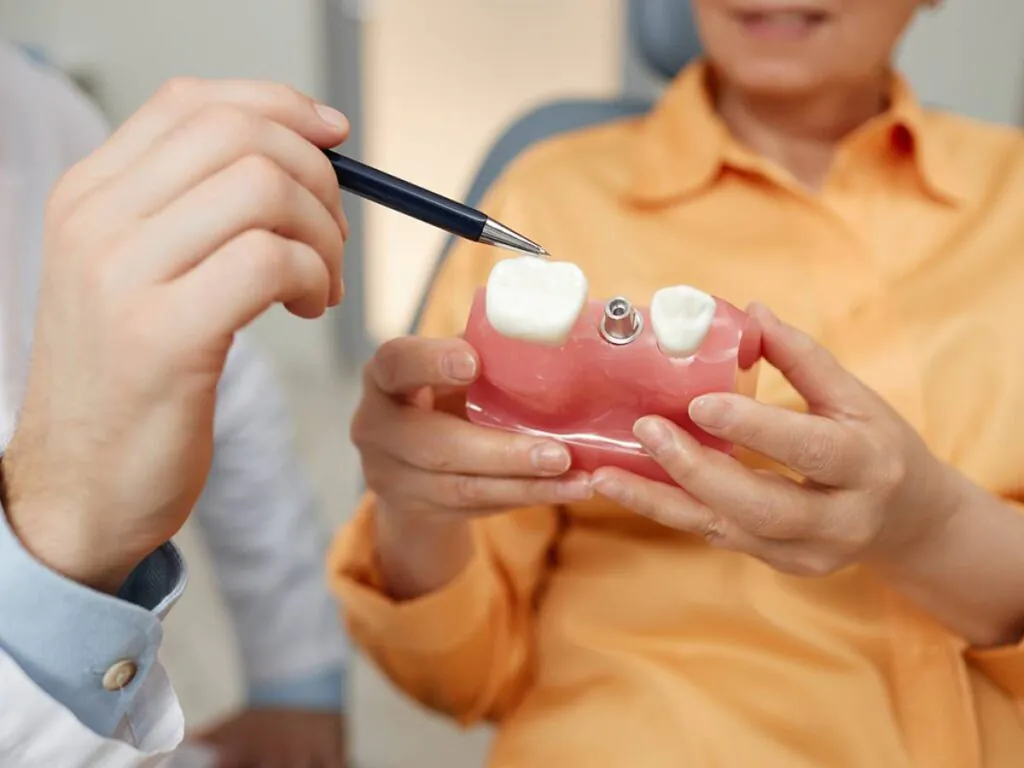
A dental implant replaces the root of a missing tooth with a small post that is surgically placed into the jawbone. Once the implant has healed and integrated with the surrounding bone, it can support a dental restoration such as a crown, bridge, or denture.
A typical dental implant has three components:
- Implant post: The portion placed into the jawbone that acts as an artificial tooth root
- Abutment: A connector that attaches to the implant
- Restoration: The visible replacement tooth or teeth
Because the implant becomes integrated with the jawbone, it can provide a stable foundation for your replacement teeth.
What Is the Dental Implant Process Like?
Your dental implant treatment will be customized to your oral health and the number and location of teeth being replaced. In general, treatment involves several stages.
1. Consultation and Treatment Planning
Your dentist will first evaluate your teeth, gums, jawbone, and overall oral health. X-rays or 3D imaging may be used to examine the bone and determine the best location for implant placement.
If you have insufficient bone to support an implant, a bone graft or another preparatory procedure may be recommended before implant placement.
2. Implant Placement
During implant surgery, the implant post is placed into the jawbone. Local anesthesia is typically used, and additional sedation may be available depending on your needs and the procedure.
After placement, the implant needs time to heal and integrate with the surrounding bone.
3. Healing and Osseointegration
The implant doesn't immediately function like a natural tooth root. Instead, the jawbone gradually bonds with the implant in a process called osseointegration.
This is an important part of treatment because it creates the stable foundation needed to support the eventual restoration.
Healing times vary from patient to patient and depend on factors such as your overall health, the location of the implant, bone quality, and whether additional procedures were necessary.
4. Attaching the Restoration
Once your dental team determines that the implant has healed sufficiently, the next stage of treatment can begin. An abutment may be attached to the implant, followed by your custom dental crown, bridge, or denture.
Your dentist will make sure the restoration fits comfortably and functions properly with your bite.
What Is Dental Implant Recovery Like?
It's normal to experience some discomfort, swelling, or tenderness after implant surgery. You may also experience minor bleeding or bruising around the treatment area.
Your dental team will provide specific instructions based on your procedure. Recovery from the initial surgery is generally much shorter than the time required for the implant to fully integrate with the jawbone.
It's important to remember that feeling better doesn't necessarily mean the implant has completely healed. The underlying bone continues to heal even after the initial discomfort has subsided.
How Can You Support a Smooth Recovery?
Although healing times vary, there are several things you can do to support your recovery and reduce the risk of complications.
Follow Your Post-Operative Instructions
Your dentist will give you instructions for caring for the surgical area. Follow these directions carefully, including recommendations regarding medications, oral hygiene, eating, and activity.
If you're unsure whether something is safe during your recovery, ask your dental team.
Choose Softer Foods Initially
Your dentist may recommend eating soft foods while the surgical area heals. Avoid chewing directly on the implant site, particularly while the area is tender.
As your mouth heals, you can gradually return to your regular diet according to your dentist's instructions.
Avoid Smoking and Tobacco
Smoking and tobacco use can interfere with healing and increase the risk of complications following implant surgery. If you use tobacco, talk with your dentist about how it may affect your implant treatment and recovery.
Don't Disturb the Surgical Area
It's important to avoid unnecessary pressure or irritation around the implant while it heals. Don't poke the area with your fingers or tongue, and follow your dentist's instructions regarding brushing and cleaning around the surgical site.
Take It Easy After Surgery
Your dentist may recommend limiting strenuous exercise and other vigorous activities immediately following surgery. Give your body time to recover and gradually return to your normal activities as directed.
Maintain Good Oral Hygiene
Keeping your mouth clean is an important part of protecting your oral health during implant recovery. Continue caring for your teeth according to your dentist's instructions, while taking care around the surgical area.
Keep Your Follow-Up Appointments
Follow-up visits allow your dental team to monitor the implant and make sure healing is progressing as expected. These appointments are an important part of the treatment process, even if your mouth feels completely normal.
What Factors Can Delay Implant Healing?
There is no way to guarantee a specific recovery time, but certain factors can make healing more difficult or increase the risk of complications.
These factors may include:
- Smoking or tobacco use
- Poor oral hygiene
- Infection
- Putting pressure on the implant too soon
- Failing to follow post-operative instructions
- Certain health conditions or medications
- Trauma to the treatment area
- Missing recommended follow-up appointments
Your dentist can discuss your individual risk factors before treatment and provide recommendations for supporting your recovery.
When Should You Call Your Dentist?
Some discomfort and swelling are expected after implant surgery, but certain symptoms warrant a call to your dental office.
Contact your dentist if you experience:
- Severe or worsening pain
- Significant or persistent bleeding
- Increasing swelling
- Fever or other signs of infection
- An implant or temporary restoration that feels loose
- Symptoms that concern you or don't seem to be improving
Your dental team can determine whether you need to be examined and recommend the appropriate next step.
How Long Does Dental Implant Recovery Take?
Dental implant recovery doesn't have one standard timeline. The initial swelling and discomfort may improve within several days, but the implant can take several months to fully integrate with the jawbone.
The length of the overall process depends on factors such as the number of implants being placed, their location, your bone health, and whether procedures such as bone grafting are needed.
Your dentist will monitor your healing and determine when the implant is ready for the next stage of treatment.
Take Care of Your Smile During Implant Recovery
Dental implants are a multi-stage treatment, and healing is an important part of the process. Following your dentist's instructions, maintaining good oral hygiene, avoiding tobacco, protecting the implant site, and attending your follow-up appointments can all help support proper healing.
If you're considering dental implants in Chicago, the team at Smiles on Elston can help you understand what to expect throughout treatment and recovery.
Contact Smiles on Elston today to schedule your implant consultation and discover if dental implants may be right for you.
